
How to Begin Your Foreign Trade Business?
 Trade Data Provider
 2025-12-16
Doing Foreign Trade Isn't Hard — It Just Has a “Threshold”
Before getting started, ask yourself whether you can handle these four basics:
Know clearly what you're selling.
Find customers through search engines, social media, trade shows, and B2B platforms.
Communicate clearly with customers about requirements and pricing.
Ship the goods and get paid.

Step 1: Know What You're Selling
The first step in foreign trade is figuring out what you want to sell. Ask yourself:
· What products do you have that can be exported?
· Is there a market for them? (e.g. electronics, clothing, toys, etc.)
· What makes your product different from others?
For example, if you own a shoe factory, focus on selling shoes.
If you have specialty food products, sell specialty food.
Simply put: sell what you already have.
Step 2: Find Customers
For many beginners, customer acquisition is the hardest part.
1. Finding Customers via Search Engines
You can use search engines like Google to look for buyers.
For example, if you sell shoes, search for “shoes buyers” or “wholesale shoes USA”.
Find company websites or social media accounts and record their contact information.
The downside:
You don't know whether these companies are currently importing, or if they already have stable suppliers. You might spend a lot of time without closing a single deal.
That's why trade data is crucial for company background checks, helping you identify importers that are truly worth developing.
2. Using Trade Data
Global trade data comes from customs authorities and consists of product information reported by importers and exporters.
Free customs statistics are useful for market analysis, but not ideal for customer development, because they don't provide company-level details—only industry-level data.
To find customers using global trade data, you'll need professional data providers.
Tendata is one of the well-known import-export data providers, offering trade data for 228 countries worldwide with a strong reputation.
Tendata provides:
· Customs data from 228+ countries (>>> Click to apply for a free demo)
· 180 million+ global company profiles
· 10 billion data updates daily
Intelligent matching of 800+ million executives and decision-makers' contacts, including emails, phone numbers, and social media
It also displays company yellow pages, product images, and websites—helping you contact decision-makers with one click and efficiently develop foreign trade customers to find a second growth curve for your business.
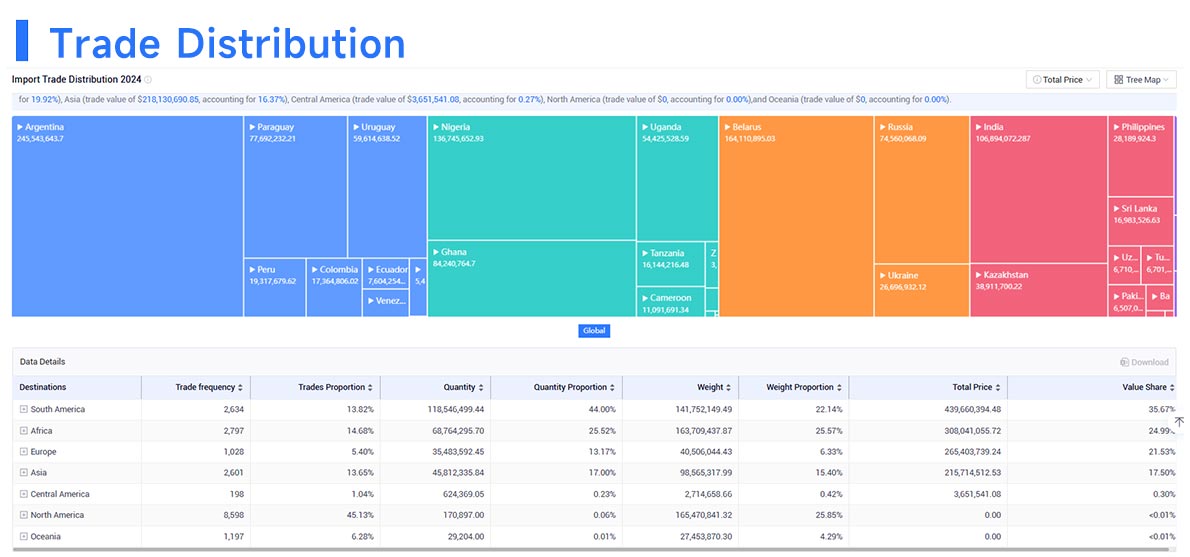
01. Quickly Identify Key Markets
With Tendata, simply enter your product name to instantly view market trends, including:
· Popular importing countries
· Transaction volumes
· Quantities, weights, and trade values
>>> Discover high-value markets with Tendata <<<
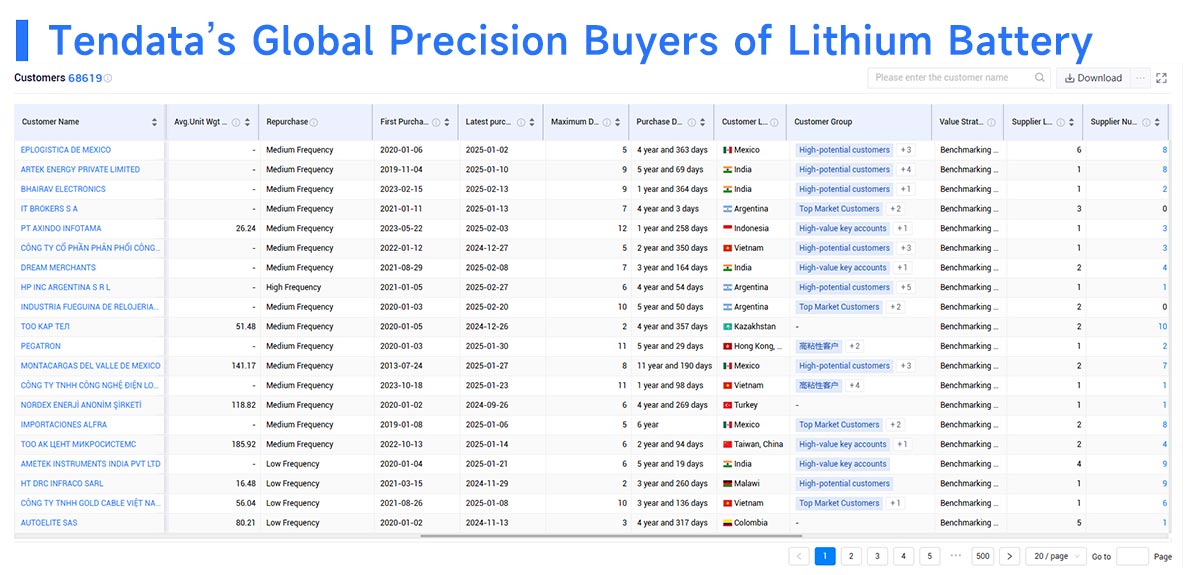
02. Efficiently Find High-Value New Customers
By entering product keywords, Tendata generates a buyer list showing:
· Company names
· Purchase value
· Quantities and frequencies
· Recently active buyers (short purchase intervals)
This helps you focus your resources on high-potential, high-value customers.
>>> Get buyer contact details from Tendata <<<
03. Improve Quotation Success Rates
Pricing is one of the toughest challenges in foreign trade.
Prices must leave room for negotiation while staying close to the customer's target price.
Tendata shows quarterly average price changes across exporting countries, helping businesses:
· Detect market price trends
· Anticipate fluctuations
· Make informed production and sales decisions
>>> Check product market prices with Tendata <<<
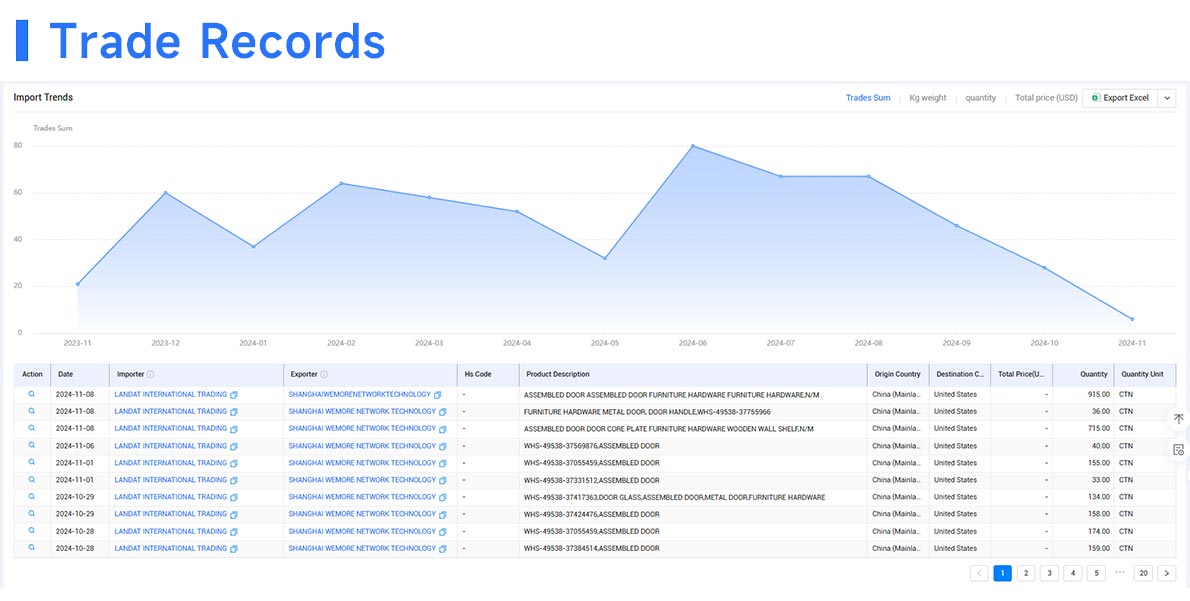
By comparing quarterly price changes across importing countries, you can identify seasonal patterns and long-term trends, helping forecast future prices and guide purchasing decisions.
3. “Fishing for Big Clients” on Social Media
Foreign buyers actively use platforms like Facebook and LinkedIn.
You can:
· Join Facebook groups or directly message buyers looking for your products
· Post factory photos and product images with brief pricing and advantages to attract inbound inquiries
4. Attend Trade Shows
Industry trade shows are golden opportunities to find customers.
If you sell electronics, attend electronics expos.
You can communicate face-to-face and even close deals on the spot.
5. Use B2B Platforms
Common B2B platforms include Alibaba and Global Sources.
You can list your products and wait for buyers to contact you.
Many companies use these platforms to promote their brand, gain exposure, generate leads, and access direct contact details such as email and even WhatsApp.
6. Google Maps
Real buyers with physical offices or factories can often be found via Google Maps.
These listings are officially verified, making them reliable—but success depends on using the right search keywords, location settings, and filters.
Step 3: Communication Is Key
Once you find customers, don't rush into quoting. Start by talking:
· Clarify what type of product they need
· Understand their budget and requirements (samples vs. bulk orders)
· Respond patiently and promptly—don't keep them waiting
Step 4: Ship the Goods and Get Paid
After confirming the order:
· Arrange logistics to ship the goods
· Always confirm payment before shipping
Remember:
· Double-check the delivery address and shipping method (sea freight, air freight, courier)
· Choose suitable payment methods, such as bank transfer, Alipay, etc.
Final Thoughts: Foreign Trade Is That Simple
The main difference in foreign trade lies in customer acquisition channels.
Contracts and payments are similar to domestic trade, but foreign trade also involves:
· Exchange rates
· International logistics
· Tax rebates
The most important thing is finding reliable customers.
Don't be afraid of failure—try more, learn gradually, and soon you'll understand how it really works.
Category
Leave Message for Demo Request or Questions