
Is Trade Data Actually Useful? From "Data Traps" to Precision Growth
 Trade Data Provider
 2025-12-19
In the world of import and export, finding high-quality partners is a battle without smoke. In recent years, competition has intensified to the point where traditional methods—generic cold emails, expensive trade shows, and basic social media outreach—are no longer enough to land premium accounts.
As a result, more professionals are turning to Trade Data as a precision B2B tool. But the question remains: Is trade data actually useful, or is it just another expense?

The Real Value: Precision and Efficiency
The core advantage of trade data lies in its ability to eliminate guesswork. Unlike social media browsing, trade data provides a transparent look at a buyer’s actual transaction history, including:
· Purchase volumes and frequency.
· Current supplier identities.
· Market shifts and loyalty patterns.
Instead of shooting in the dark, you can see exactly who is buying, how much they need, and whether there is an opening for a new supplier.
Avoiding the "Cheap Data" Trap
Many people (myself included) have been burned by low-quality data. In the beginning, I purchased cheap datasets only to find a chaotic mess: outdated records from two years ago, duplicate entries, and misspelled company names. It was a waste of time and money.
Data accuracy is what ultimately determines your conversion rate. This is where professional platforms like Tendata change the game. After switching to a higher-quality provider, the difference in efficiency became clear in two major ways:
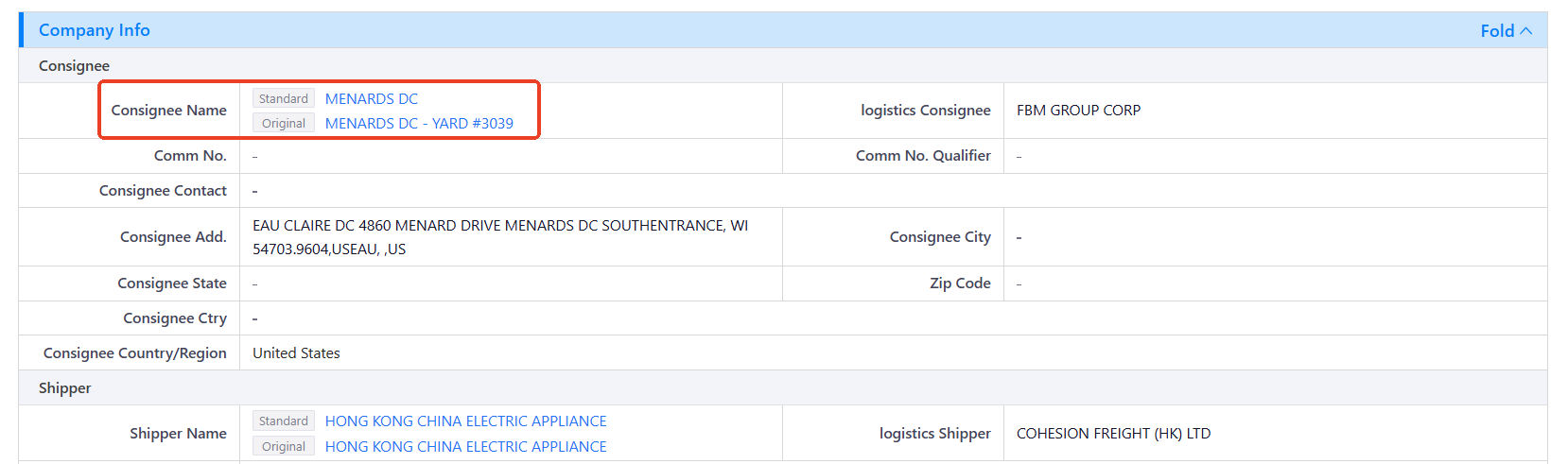
1. Unified Entity Resolution
In raw data, a single company often appears under ten different names (e.g., "ABC Trading Ltd," "ABC Co.," or "ABC Ltd"). This leads to duplicated efforts and confusion. Tendata cleans and merges these records into a single, unified profile, saving hours of manual filtering.
2. AI-Driven Insights
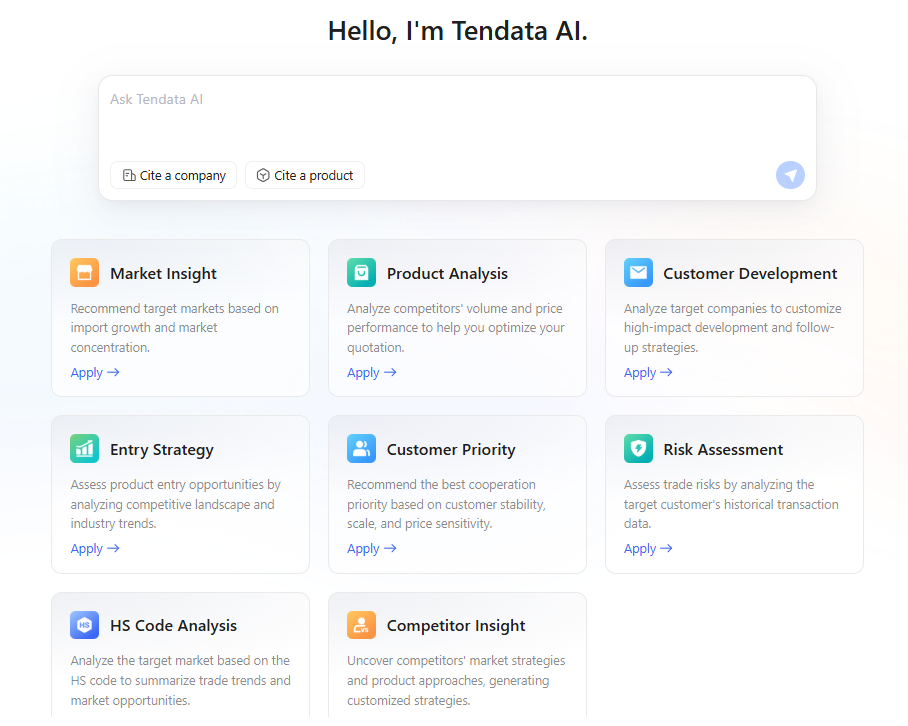
Raw data is just numbers; intelligence is what closes deals. Modern tools now use AI to analyze market trends and product cycles automatically. Instead of manually exporting spreadsheets to identify which importers are growing, the AI provides a targeted roadmap, allowing you to focus only on high-probability leads.
The Strategy: Data + Intelligence = High Conversion
Having the data is only half the battle; knowing how to use it is what wins the "war."
Research Before Reaching Out: If a buyer’s procurement is extremely stable with a long-term supplier, a cold quote is usually a waste of time. However, if the data shows their purchase volume is fluctuating or they recently added a new supplier, that is your window of opportunity.
Highly Targeted Follow-ups: Stop using generic templates. If the data shows an importer’s volume has dropped, your email should address their supply chain stability. If they are expanding, mention your capacity to scale with them.
Summary
Trade data is an incredibly powerful weapon, but its effectiveness depends entirely on data quality and analytical capability. While poor data leads to "white noise" and wasted effort, high-quality platforms like Tendata transform trade data into a strategic map for growth.
In today’s market, it’s not about who works the hardest, but who works with the best information.
Category
Leave Message for Demo Request or Questions