
Why Trade Data Doesn't Work for Most Exporters?
 Trade Data Provider
 2026-01-19
From time to time, you hear foreign trade professionals complain:
“Trade data doesn’t work at all—I can barely develop any customers with it!”
I can say this with confidence: most people are using trade data the wrong way.
They buy a platform, type in a product name, select a batch of companies, extract a pile of email addresses, and then start blasting mass emails or making cold calls…
The entire process looks smooth and efficient—yet in the end, nothing comes of it.
The truth is this:
Finding a customer’s contact information is only the first step of a very long journey.
What really determines success or failure is whether you can identify the right entry point for customer development.
Trade data doesn’t just provide a “customer list.”
It provides real, officially recorded, and verified import and export behavior, which helps you understand a buyer’s purchasing habits and potential needs.
So how should trade data actually be used?
If I told you that in just a few minutes—with a few mouse clicks—you could lock onto your target customers among thousands of companies, would you believe it?
Simply open the trade data platform and search by product description, HS code, or company name to instantly access trade records.
For example, if your company specializes in furniture, you can search a specific product category and set filters based on your needs. All relevant data will appear immediately.
Let’s take one buyer as an example and analyze it further.
What Data Should You Focus On?
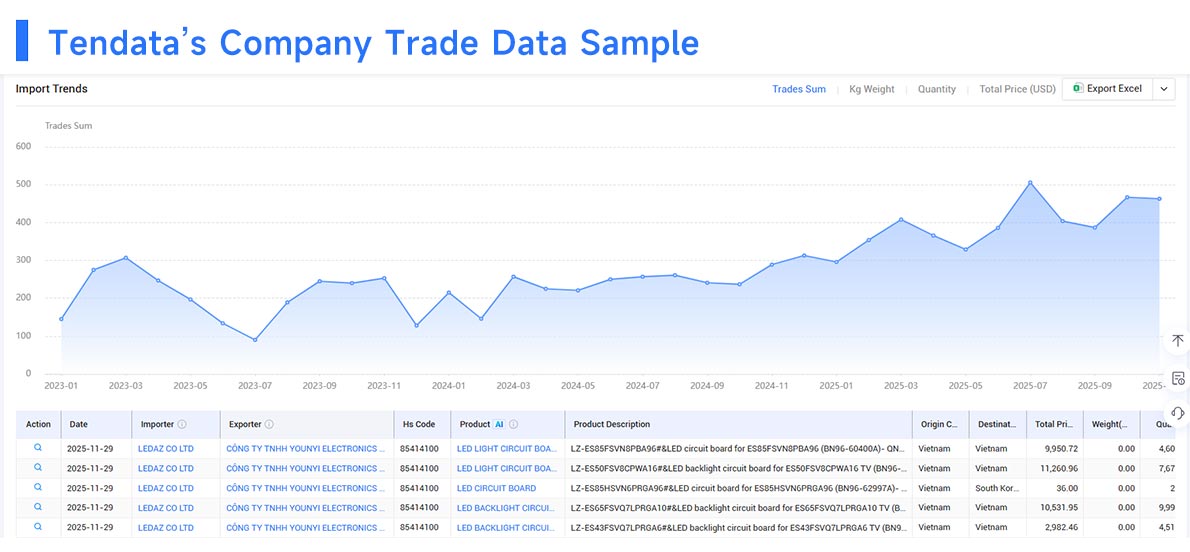
1. Historical Trade Records
If a buyer is too large, you may not be able to handle their demand.
If they are too small, they may not generate stable or meaningful orders.
Within your own capacity, prioritize buyers with stable purchasing behavior, aligned positioning, solid strength, and a steady growth trend.
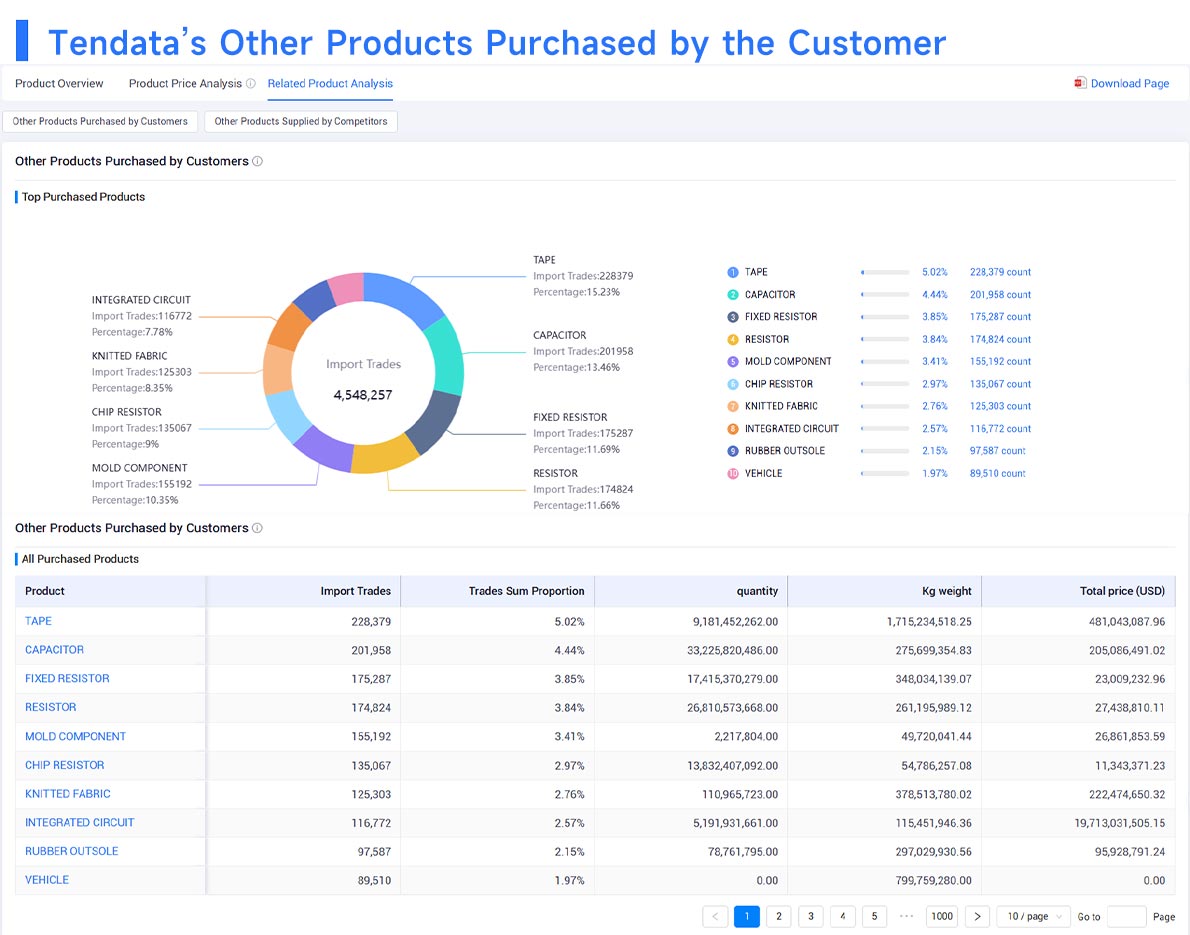
2. Product Categories
Ask yourself:
· Are the product categories a good match?
· Is this buyer a professional, specialized importer?
· Can you help them grow their business?
If the buyer's purchasing categories are scattered, they may be a sourcing agent. In that case, it’s worth calling to discuss cooperation or commission-based opportunities.
3. Company Website
Tendata trade data provides the company's official website with one-click access.
Review their:
Company vision and background, Development history, Core product lines, Best-selling products, End-market pricing, Target customers and markets
This is where you find real breakthroughs for outreach.
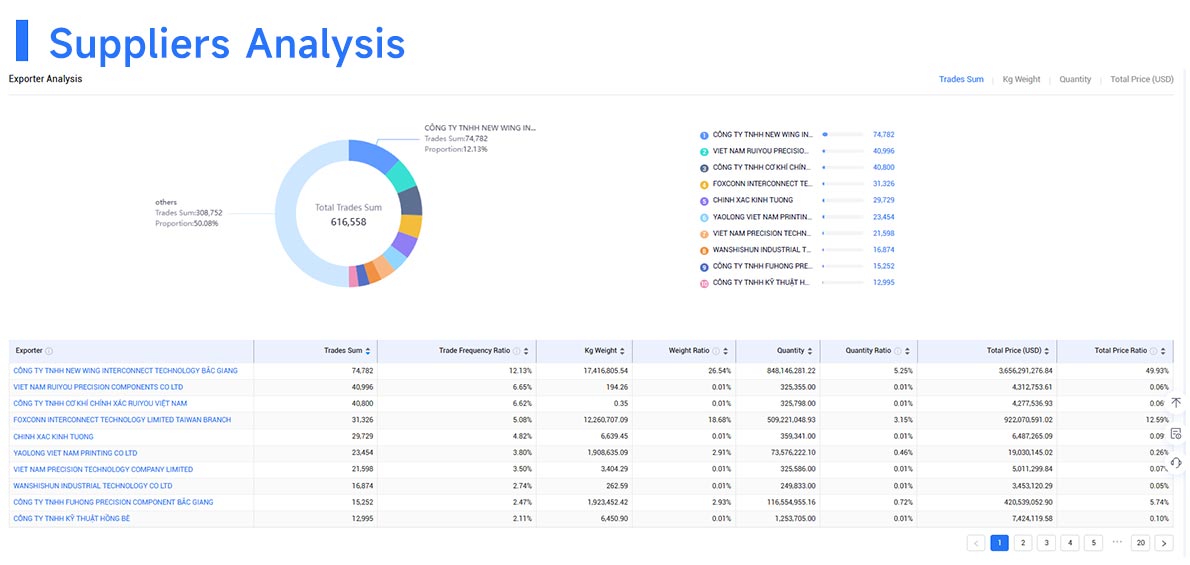
4. Suppliers
Key questions to analyze:
· Do they work with multiple suppliers?
· Where are their main suppliers located?
· Which countries supply which product categories?
· What products are purchased from each supplier?
· How often do they switch suppliers?
· How do supplier rankings change over time?
· Have they changed suppliers to reduce costs?
If the supplier base is small and stable, it's better to follow up gently without being aggressive, maintaining regular visibility.
If suppliers change frequently, opportunities are greater—but buyer loyalty may be limited.
By analyzing supplier size and switching patterns, you can also infer the buyer's purchasing preferences.
Of course, by clicking on any supplier name, you can directly view detailed data on your competitors.
5. Transaction Records
In general, buyers with purchase frequencies far above the industry average are often distributors, wholesalers, retailers, or logistics companies.
By clicking the product description in a bill of lading, you can view detailed shipment records, including: Importer information, Exporter information, Product details, Transportation details
6. Additional Insights
Tendata also provides: Port analysis, Transportation mode analysis, Buyer analysis, Supplier analysis
These tools support deeper vertical analysis.
You can even conduct background checks on competitors and analyze what product categories your customers’ competitors are selling locally—completing a horizontal competitive analysis.
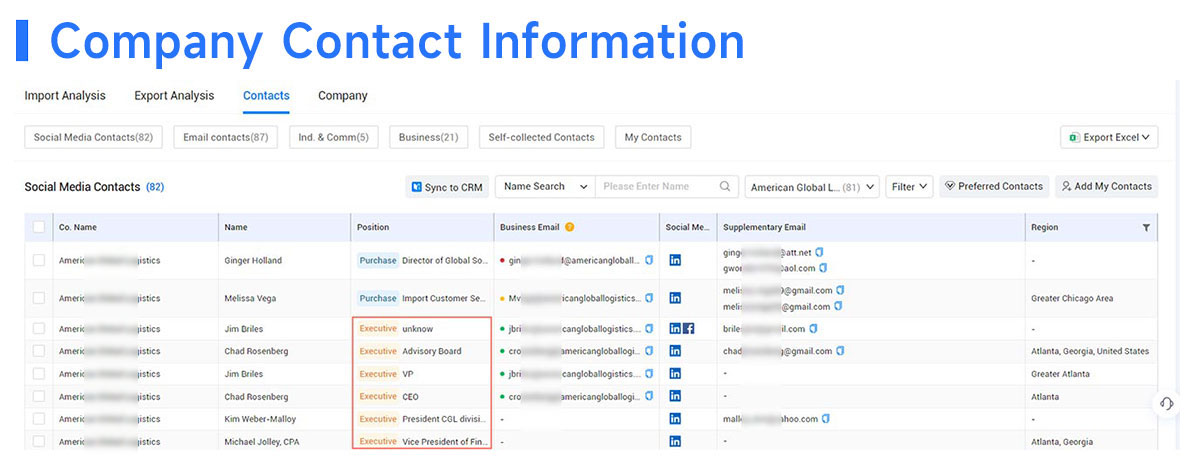
7. Customer Contact Information
Tendata trade data provides official LinkedIn, Facebook, and other social media accounts for companies.
More importantly, with just one click, you can obtain contact details of key decision-makers within the organization.
Final Thought
The real value of trade data is not simply finding contact information.
It lies in understanding a customer’s purchasing habits and potential needs, and identifying the right breakthrough point for customer development.
Category
Leave Message for Demo Request or Questions