
Why Your Import Export Data Searches Feel Inaccurate?
 Trade Data Provider
 2026-02-12
Many exporters encounter the same frustration when using Import Export Data to develop overseas customers: “I searched using my product keyword, but the results are not accurate.”
In most cases, the problem is not the data itself — it’s the product keywords used in the search. Understanding how customs data works and how product descriptions are recorded is the key to unlocking precise results.
This article explains why keyword searches often miss the mark and how to build a more effective, repeatable strategy to find accurate buyers.

Why Product Keyword Searches Often Feel “Inaccurate”
Before discussing solutions, it’s important to understand the nature of Import Export Data.
Import Export Data is essentially customs declaration data, not a product listing or e-commerce catalog. The product descriptions used during customs clearance are usually based on function, material, or usage, rather than brand-friendly product names.
As a result, the product terms you are familiar with may not match the actual descriptions used in real shipments.
Here are two common mistakes:
1. Searching With Only One Simple English Word
Many beginners enter a single basic word such as cup, lamp, or bag.
This usually produces massive and messy datasets because:
· The keyword is too broad
· Multiple product categories are mixed together
· The descriptions used in declarations may not include that exact word
2. Searching Only in English Across All Countries
Product descriptions vary significantly across regions. In many non-English-speaking markets, customs declarations are written in local languages. Even when translated, the wording may differ from your usual industry terminology.
If you rely solely on one English expression, your search results will likely be incomplete or imprecise.
Step One to Better Results: Use the Right Product Terms
Method 1: Extract Keywords From Real Bills of Lading
The most reliable rule is simple:
Use the product terms that appear in real customs declarations — not the product names you assume buyers use.
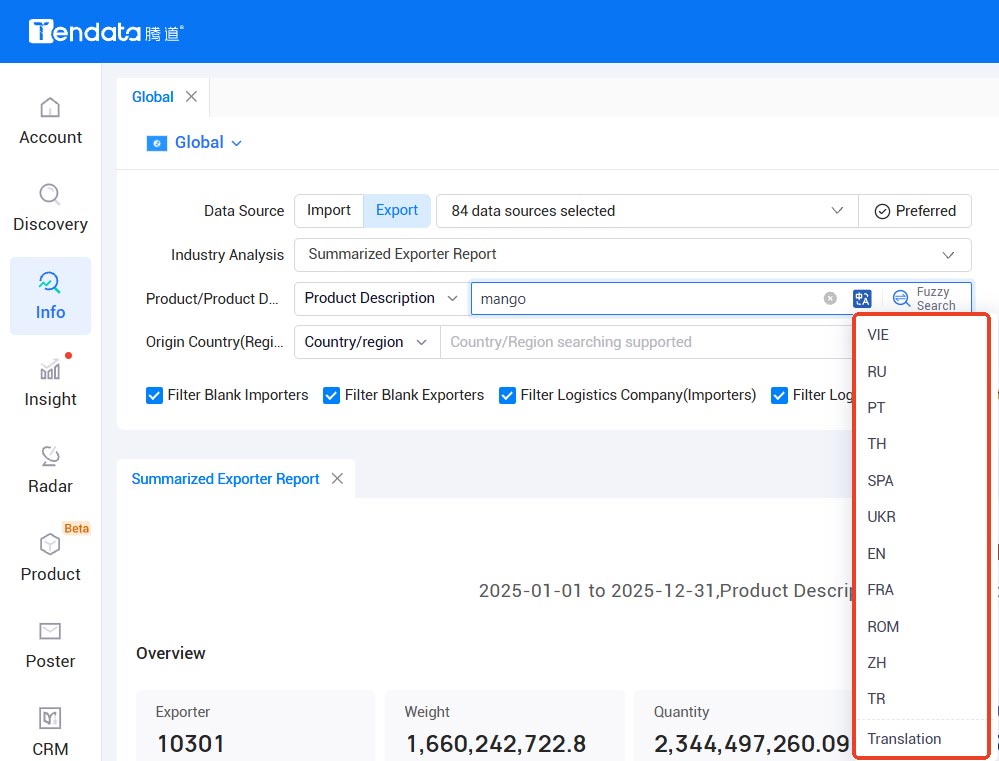
You can review bills of lading from your existing customers or shipments in target markets to identify authentic product descriptions. Platforms like Tendata Import Export Data preserve original declaration languages in bill-of-lading fields, allowing you to search using local-language product terms. This makes it easier to understand how products are truly described in different markets.
Method 2: Use HS Codes to Define Product Scope
If product keywords explain how a product is described, HS codes define which product category you are searching within.
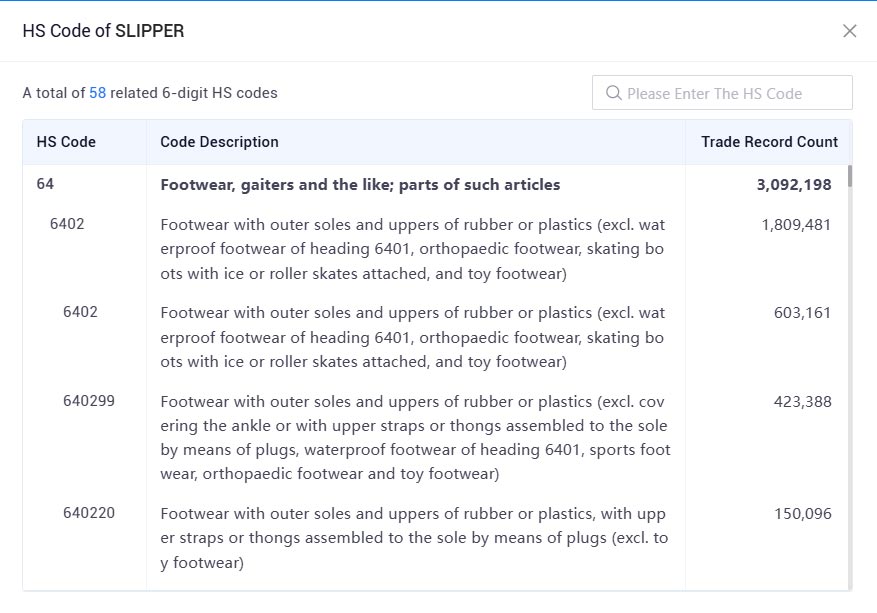
The first six digits of an HS code are standardized globally, making them one of the most reliable anchors for data searches — especially when product names are ambiguous.
To find precise 8- or 10-digit HS codes for specific countries, you can:
· Refer to official customs websites
· Analyze existing shipment data
· Use tools like Tendata to identify commonly used codes in real transactions
Combining HS codes with authentic product terms dramatically improves search accuracy.
Moving Beyond Searching: Building a Repeatable Customer Development System
Once you understand how to choose correct product terms and HS codes, the next step is scaling your workflow.
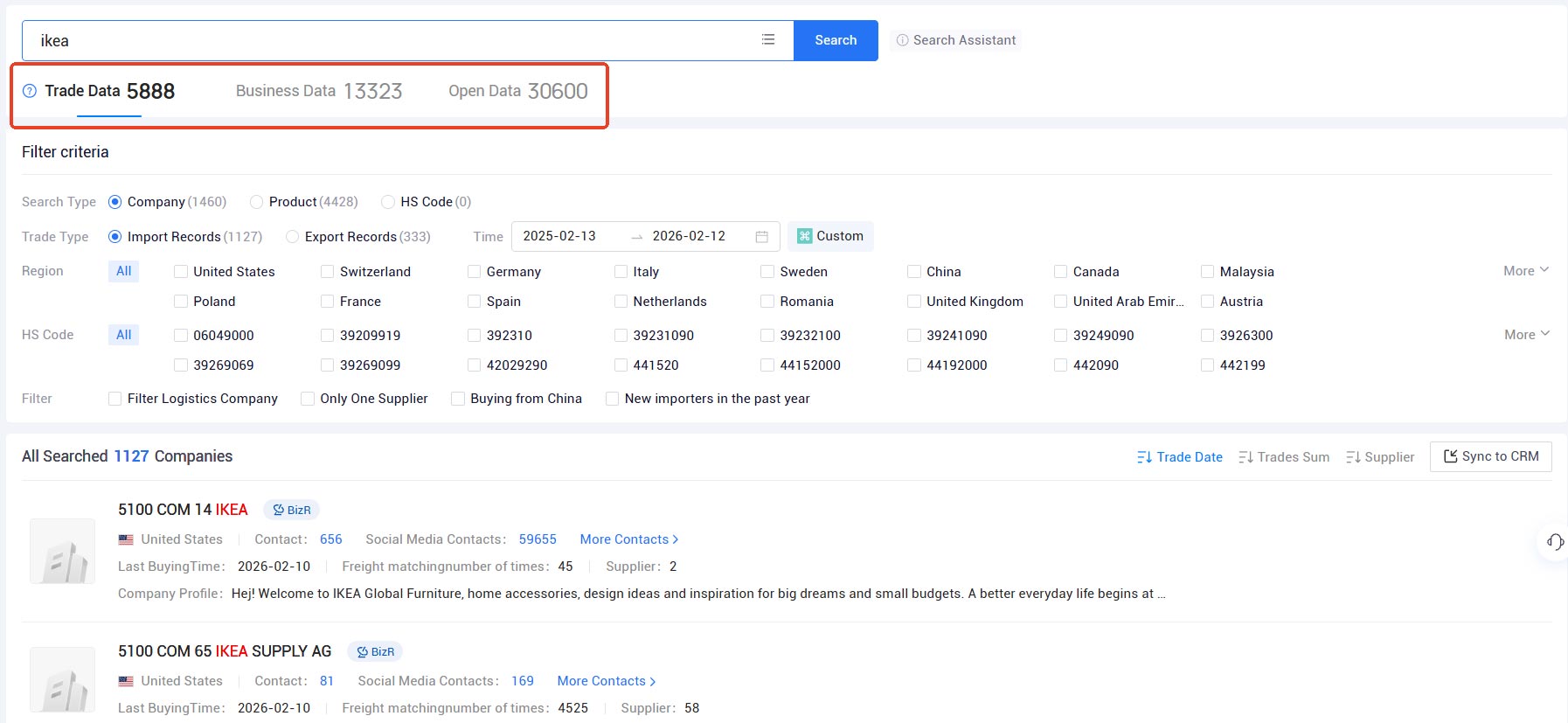
Modern trade data platforms like Tendata integrate multiple data sources beyond Import Export Data, including:
· Belt and Road market datasets
· Commercial company databases
· Internet-based business intelligence
· AI-driven customer acquisition tools
· Contact information databases and email tracking systems
With this integrated approach, you can:
1. Use Import Export Data to identify real buyers
2. Verify company background and purchasing power through commercial data
3. Obtain decision-maker contact details
4. Build structured outreach campaigns and track engagement
5. Instead of simply “searching data,” you build a complete process:
Find → Verify → Contact → Develop.
Final Thoughts
If you rely only on generic product keywords, Import Export Data may feel confusing and inaccurate. But when you identify real product descriptions from bills of lading and anchor your searches with HS codes, the same data becomes a powerful source of qualified leads.
That transformation — from overwhelming records to actionable customer insights — is exactly what tools like Tendata aim to deliver. With the right search logic and a structured workflow, Import Export Data can become one of the most reliable engines for discovering new overseas customers and building long-term export growth.
Category
Leave Message for Demo Request or Questions