
How Can I Find Detailed Information About a Specific Global Corporation?
 Trade Data Provider
 2026-04-03
Global corporations operate across jurisdictions, industries, and reporting standards. No single database holds all the answers. The best researchers triangulate across official disclosures, financial platforms, public registries, and competitive intelligence. Here are the five key methods to do it right.

Key Points
1. Start with official sources
The company's own website, investor relations page, annual reports, and SEC filings (10-K, 20-F) are the most authoritative starting point.
2. Use financial databases
Platforms like Bloomberg, S&P Global, and Dun & Bradstreet provide structured, verified financial and operational data at depth.
3. Explore free platforms
OpenCorporates, Crunchbase, and LinkedIn give public access to corporate structure, key people, funding, and market presence.
4.Analyze trade & market data
For import/export companies, customs databases and tools like Tendata, ImportGenius, and Panjiva reveal real supply chain intelligence.
No company exists in a vacuum. Identifying rivals and comparing positioning reveals strengths, weaknesses, and differentiation strategies.
1. Start with Official Sources (Most Reliable)
The single most reliable window into any global corporation is its own published record. A company's official website — particularly the About Us and Investor Relations sections — aggregates the most important documentation in one place.
For publicly traded companies, regulatory filings are indispensable. US-listed firms file 10-K (annual) and 10-Q (quarterly) reports with the SEC; foreign companies listed in the US use the 20-F format. These documents cover financials, risk factors, executive compensation, and governance in exhaustive detail.
Press releases and earnings call transcripts are often overlooked but offer candid forward-looking statements directly from leadership — valuable for understanding strategy and priorities.
2. Use Financial & Business Databases
Professional intelligence platforms go far beyond what public filings show, offering historical comparisons, sector benchmarking, and cross-company analytics.
Bloomberg and S&P Global are the industry gold standards for financial depth. Dun & Bradstreet excels at mapping corporate ownership trees, subsidiary relationships, and credit risk — particularly useful for supply chain and compliance research.
3. Check Free Business Information Platforms
If you're working without a subscription budget, several powerful free tools can take you surprisingly far. OpenCorporates aggregates company registry data from over 140 jurisdictions. Crunchbase is ideal for startups and private companies, tracking funding rounds, investors, and leadership. LinkedIn reveals headcount trends, employee backgrounds, and recent hires — a proxy for growth and strategic direction.
4. Analyze Trade & Market Data
For corporations involved in international commerce, customs and shipping data utilize a layer of intelligence invisible in traditional filings. You can see who a company actually buys from, who they sell to, and how volumes shift over time.
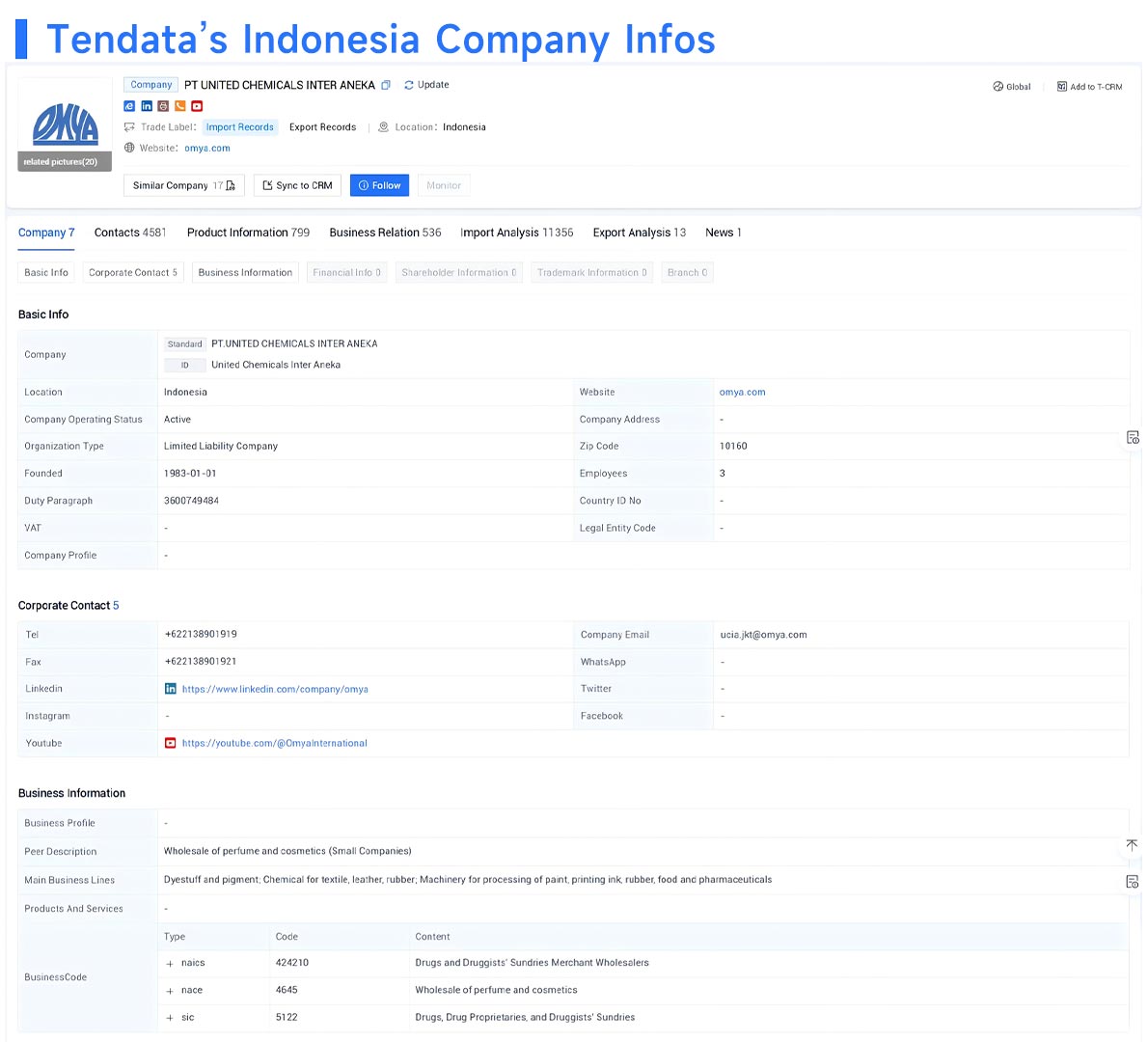
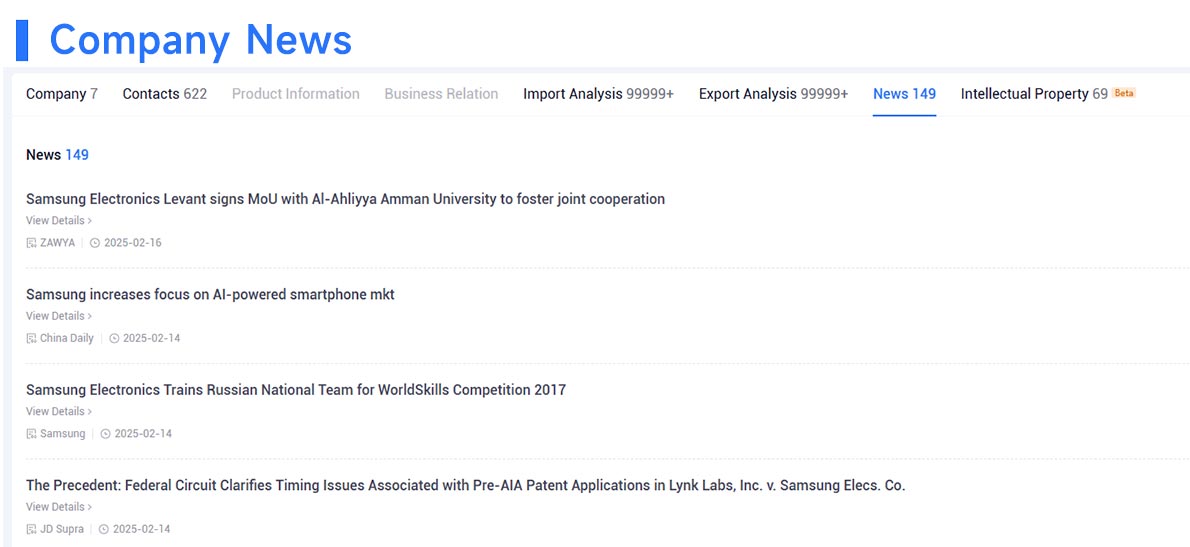
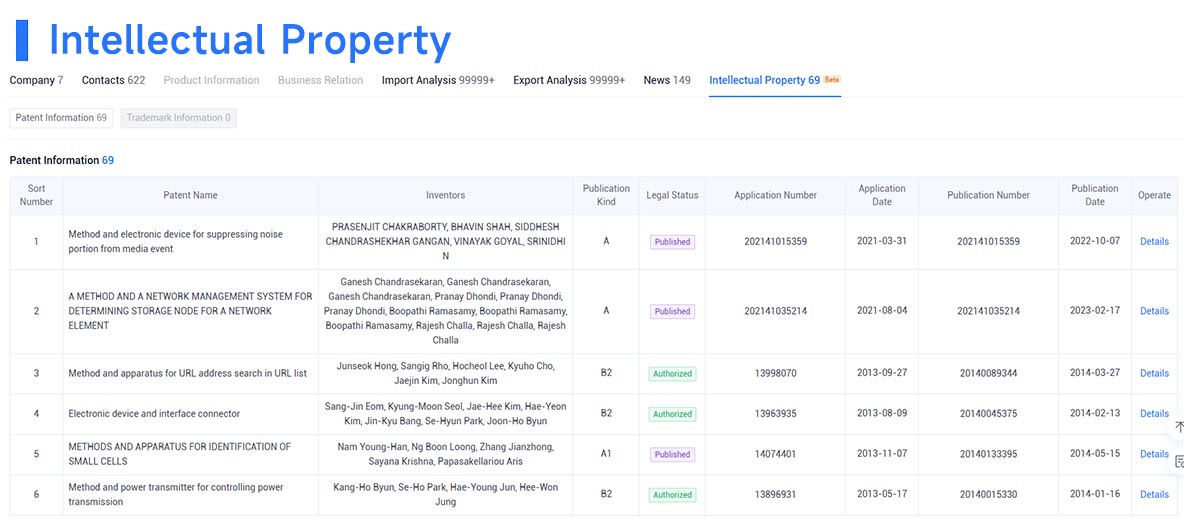
Tendata integrates global trade data, company profiles, and AI-driven analytics into one platform, allowing you to go far beyond basic company information. Instead of just seeing surface-level details, you can identify a company’s real buyers and suppliers, analyze its import and export activities, track market trends, and even discover potential business opportunities.
This is especially valuable for B2B companies, exporters, and sourcing professionals who need actionable insights rather than fragmented data. By combining big data with intelligent analysis, Tendata helps you build a clearer, more complete picture of any global corporation and make more informed business decisions.
Frequently Asked Questions
1.What's the best free source for researching a private company?
For private companies, Crunchbase is often the most informative free option — especially for startups and venture-backed businesses. OpenCorporates is excellent for legal entity information and corporate structure across jurisdictions. LinkedIn can also reveal employee count trends and leadership, which serve as useful growth indicators.
2.How do I find information about a company's international subsidiaries?
Dun & Bradstreet is the most comprehensive source for corporate family trees and subsidiary mapping. Annual reports and 10-K filings also list significant subsidiaries in their notes. For European entities, national company registries (Companies House in the UK, SIRENE in France, Handelsregister in Germany) are authoritative and often free to search.
3.Can I find a company's supplier or customer relationships?
Yes — trade intelligence tools like Panjiva, ImportGenius, and Tendata analyze customs shipping records to reveal actual import/export relationships. Some companies also disclose major customers or suppliers in their annual filings if those relationships represent a significant portion of revenue.
4.What should I look for in a company's annual report?
Focus on four areas:
(1) the Management Discussion & Analysis (MD&A) section for strategic narrative and risk disclosure;
(2) the audited financial statements for revenue trends, margins, and debt load;
(3) the notes to financial statements for off-balance-sheet items and accounting policies;
(4) executive compensation and governance sections for insights into incentive structures and ownership concentration.
5.How do I verify if the information I find is accurate and up to date?
Always cross-reference at least two independent sources, and prioritize primary sources (company filings, official registries) over aggregators. Check the publication date carefully — financial conditions, leadership, and ownership can change rapidly. For time-sensitive decisions, supplement database research with recent news coverage from outlets like the Financial Times, Reuters, or Bloomberg News.
Category
Leave Message for Demo Request or Questions