
How to Get Real Import Export Data: Why Professional Trade Intelligence Platforms Matter
 Trade Data Provider
 2026-05-27
When I first entered the import-export industry, I also believed that trade data was difficult to obtain and that you probably had to cooperate directly with customs authorities to access it. Later, I realized that trade data itself is actually a form of raw information, and there are many ways to obtain it. The real challenge is knowing how to use it effectively.
First, let’s talk about data sources. There are indeed some free or low-cost channels available.
For example, some national statistics bureaus or customs websites publish macro-level trade data, such as the U.S. Census database and Eurostat in Europe. Are these sources authoritative? Absolutely. But are they truly useful for customer development? Not really. They mainly provide macroeconomic trade statistics, which are more suitable for broad market analysis. If you want to know which companies are actually importing or exporting products in a country, those databases usually cannot help you.
Similarly, there are also some inexpensive online trade data providers offering pay-per-search services. I tried several of them and quickly noticed a few common problems:
1. Duplicate and Inaccurate Company Data
Although many platforms claim to have massive databases, I found that searching a company by its full name and abbreviation would often produce two separate company profiles. In reality, they were the same company. This kind of duplicated data raises serious concerns about the reliability and accuracy of the database itself.
2. Outdated Trade Records
I needed access to the latest import-export records, but many platforms could only provide data from two years ago — sometimes even five years old. By that point, the information had already lost much of its business value.
3. Limited Analysis Features
Most pay-per-query trade data platforms simply provide raw data without offering analytical tools. There are no visualization charts, comparison reports, or intelligent summaries to help interpret the information. That means after purchasing the data, I still had to manually organize and analyze everything myself, which wasted a huge amount of time.
If I wanted to compare two companies, I had to conduct multiple separate searches and manually compare shipment volumes, pricing, and suppliers. Even then, the results were not always accurate.
After running into all these issues, I finally decided to invest in a professional trade intelligence platform like Tendata Trade Intelligence Platform. After using it, I honestly wished I had started much earlier.

Here are the areas where I think the platform performs especially well:
1. Powerful AI Features Connected Directly to the Trade Database
Tendata’s AI capabilities are among the strongest I’ve seen in the industry, and they are directly integrated with its import-export database.
You simply enter a request, and the system can quickly help you find customers, analyze markets, identify opportunities, and much more. Even people who are completely new to international trade can quickly become highly efficient users.
The best part is that you no longer need to manually organize or analyze data yourself. The AI processes everything automatically — you just review the final results.
>>Know More About Tendata AI<<
2. More Comprehensive Market Analysis and Visualization Tools
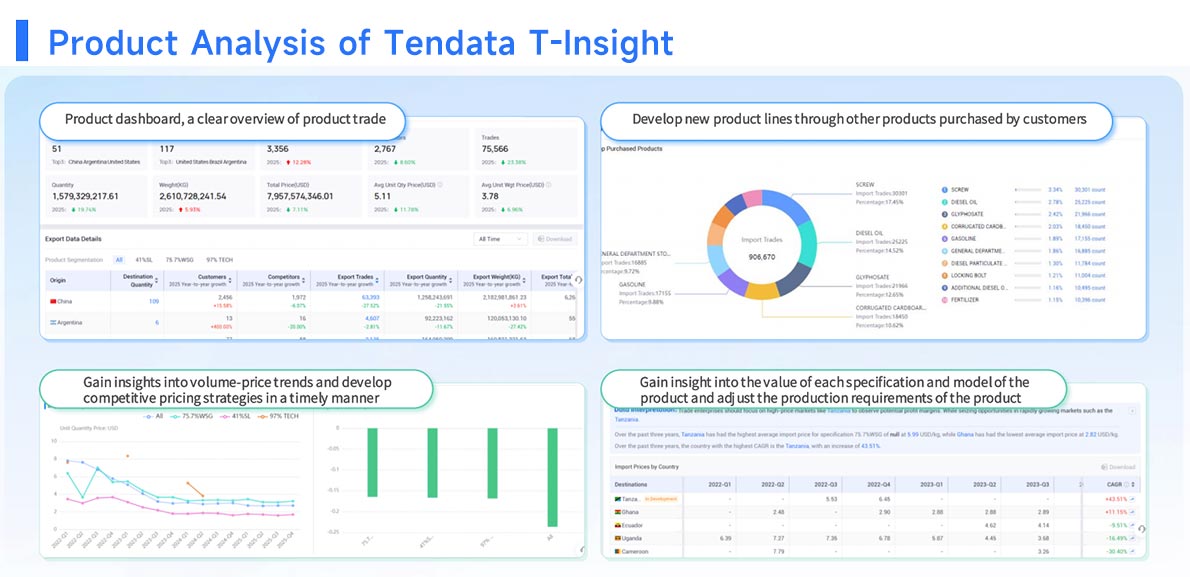
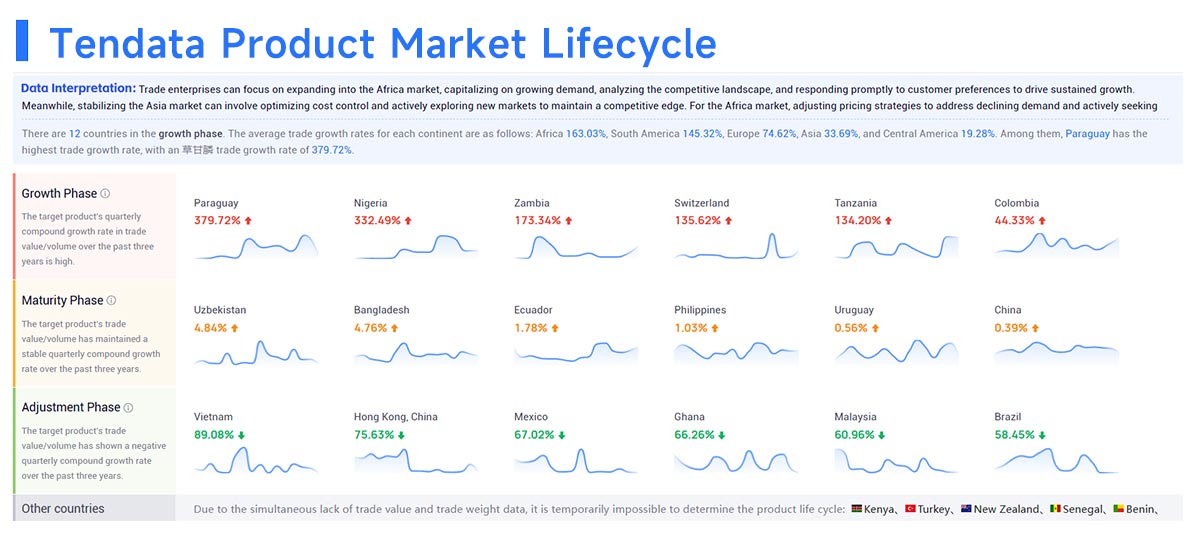
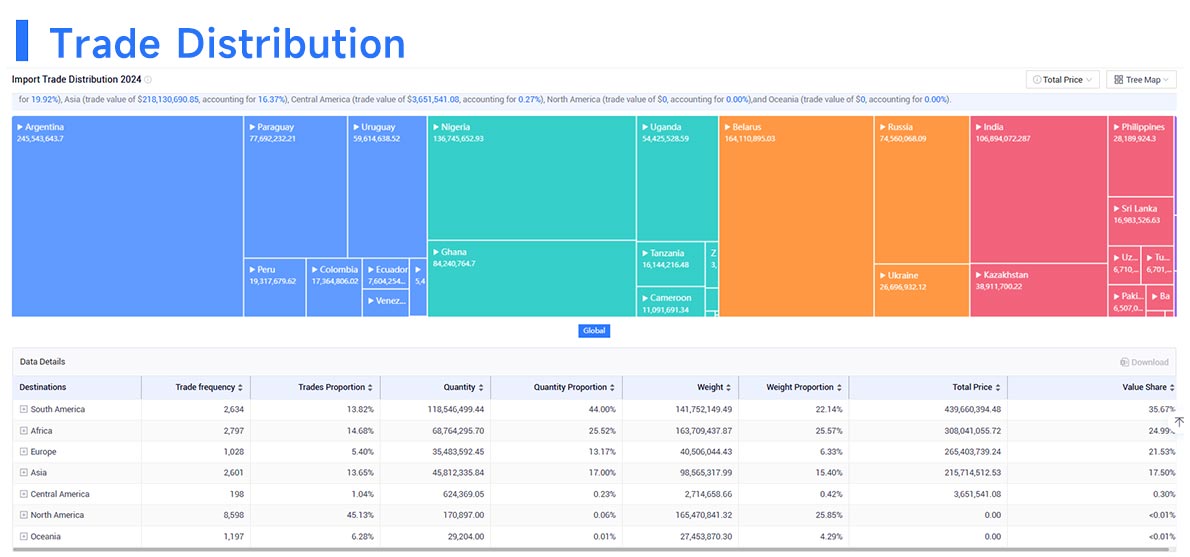
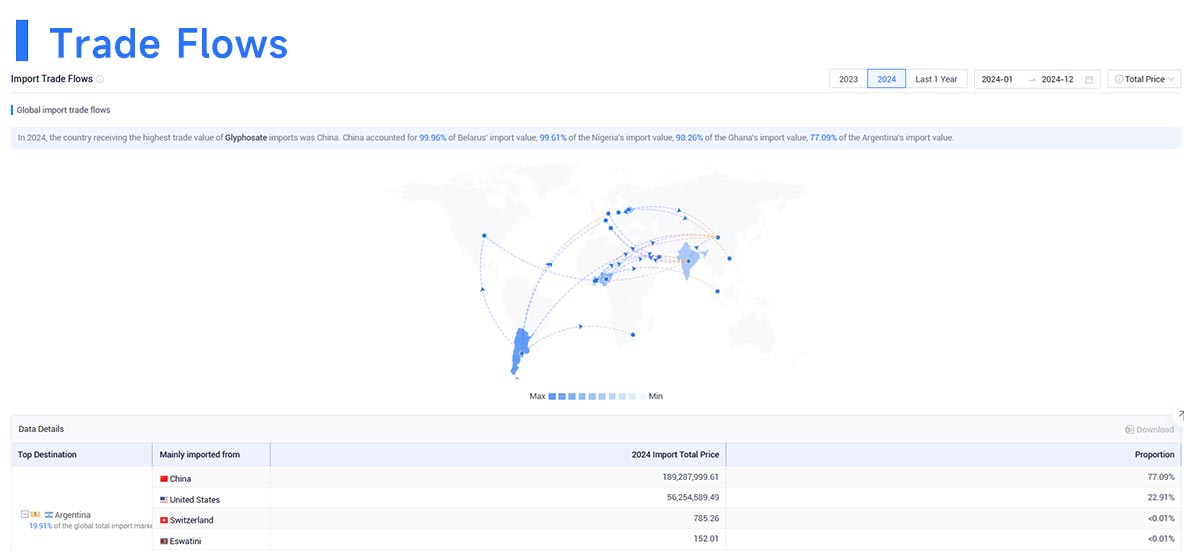
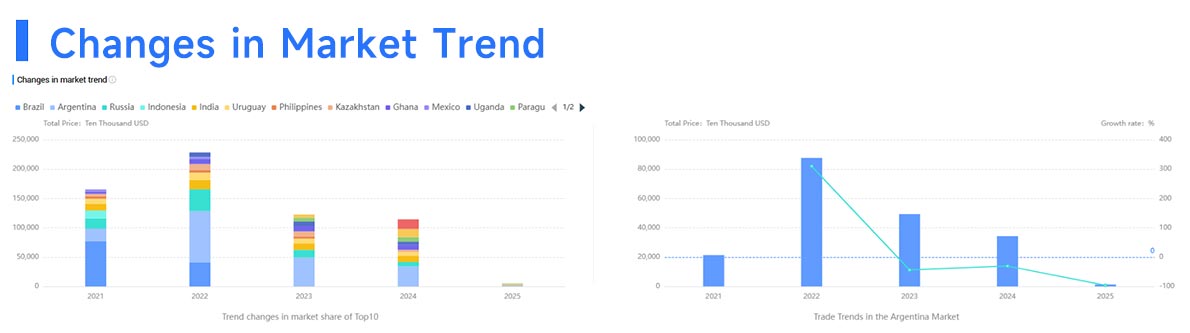
Compared with many other trade intelligence platforms, Tendata provides more dimensions for market analysis and much richer visualization tools.
Whether you are making internal business decisions or preparing reports for management, the charts and dashboards make it easy to understand shipment trends, pricing fluctuations, market changes, and competitive activity. The visual reports are practical, professional, and easy to use.
>>Learn How to Use Tendata for Market Analysis<<
3. Direct Access to Company Contact Information
This is another feature I value highly.
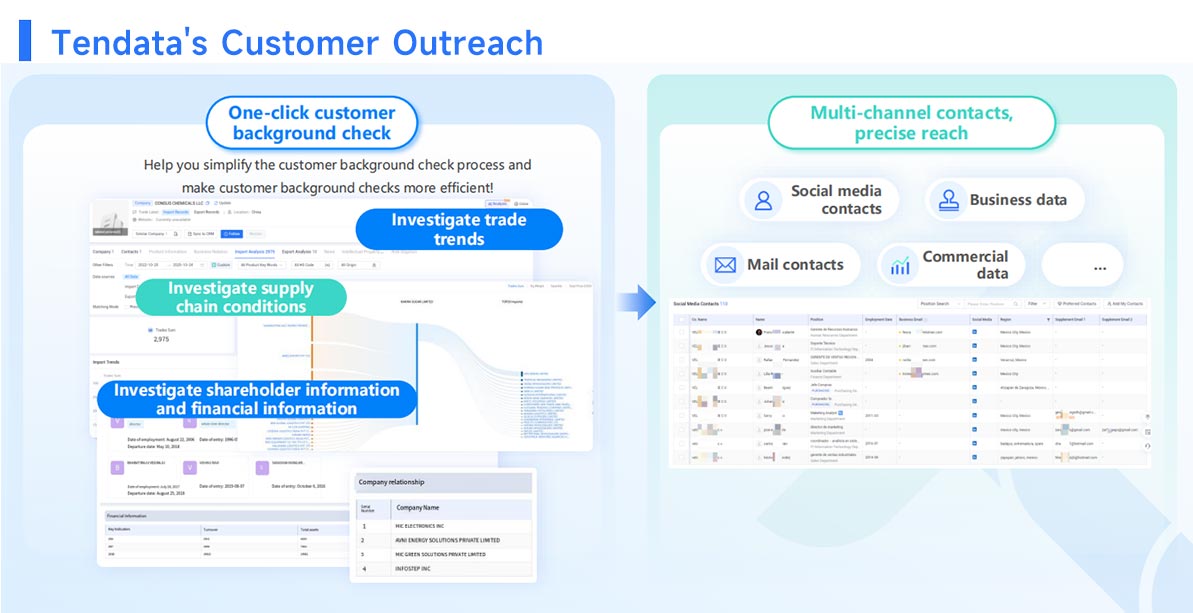
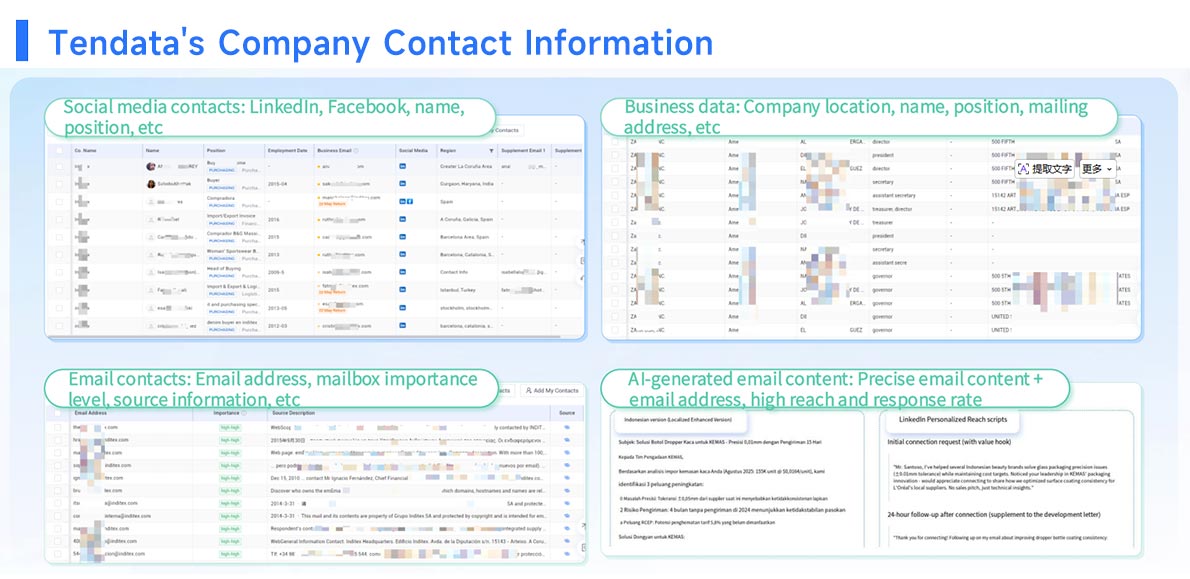
Most free trade data sources and many pay-per-search platforms do not provide company contact details. However, with Tendata, once you subscribe, you can perform unlimited company searches and export contact information directly.
Combined with Tendata AI, the system can even generate customized outreach emails automatically. The emails are tailored based on the recipient’s position and the company’s trade activity, making them far more personalized than traditional mass email campaigns.
>>Obtain Company Contact Information from Tendata<<
Compared with the generic development emails we used in the past, the reply rate improved significantly, which has been one of the most satisfying benefits for our team.
So, going back to the original question — how can you obtain real and detailed trade data from different countries?
My answer is simple:
Free data sources do exist, but for most import-export companies that value efficiency, relying on them is usually not cost-effective.
A much smarter solution is to use a professional platform like the Tendata Trade Intelligence Platform, which not only provides reliable trade data, but also improves customer acquisition, market analysis, and business decision-making efficiency from multiple dimensions.
Category
Leave Message for Demo Request or Questions